Teaches
Availability
Private Swahili Tutor in Mombasa and Online
Learn Swahili from a very patient tutor
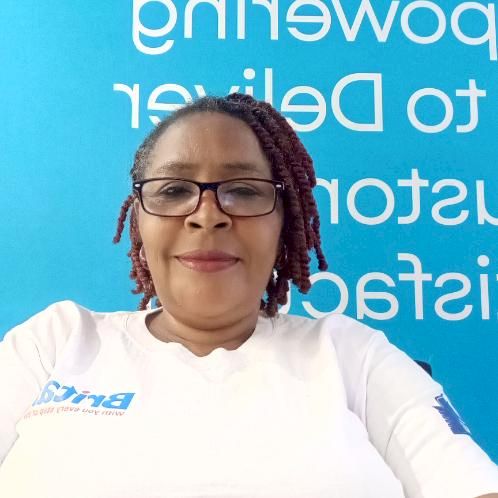
Hello! My name is Wilmina and I am passionate about teaching and helping others learn new skills. I have extensive experience in teaching children in a church setup, specifically through Sunday School, where I honed my ability to communicate effectively with young learners. This background has allowed me to develop patience, understanding, and a nurturing approach, all of which I carry with me in my current interactions with university students.
I hold an MBA in Strategic Management, a Bachelor's degree in Business Administration, a Diploma in Secretarial Studies, as well as the Kenya Certificate of Secondary School Education (KCSE) and the Kenya Certificate of Primary Education (KCPE). This academic journey has equipped me with a broad understanding of business and management principles, which I find invaluable in my daily work.
In my current role, I have the privilege of interacting with university students on a daily basis, which has further sharpened my skills in being patient, empathetic, and supportive. I strive to create a positive learning environment where students feel encouraged to ask questions and actively engage in their learning process.
When it comes to learning Swahili, I’m here to guide you every step of the way! Many students often ask if Swahili is easy to learn – and my answer is always: Yes! Swahili is relatively easy to pick up, especially with someone to help guide you. The key to success is consistent practice – speaking, pronouncing words correctly, and writing them down. Most students can grasp the basics within three months, and as long as you’re committed and motivated, you will find yourself making great progress.
I'm excited to support you on your learning journey, and I look forward to making your experience both enjoyable and rewarding!
Frequently Asked Questions
How easy is it to learn Swahili in Mombasa?
Learning Swahili in Mombasa is a fantastic opportunity because the city is a vibrant hub of the language in its natural setting. As the coastal heart of Kenya, Mombasa offers a unique blend of cultural influences, making it a dynamic environment for learning Swahili. The best part? Swahili is spoken everywhere – from the markets and streets to the classrooms and beaches, giving you ample opportunities to practice and immerse yourself in the language on a daily basis.
The local people are friendly, patient, and eager to help learners, making it easier to pick up vocabulary, pronunciation, and cultural nuances quickly. Since Swahili is widely spoken by people of all ages and backgrounds, you’ll find that the language is not only accessible but also practical in everyday interactions. In Mombasa, learning Swahili isn’t just about memorizing words – it’s about engaging with the language in a real, authentic environment where it’s woven into the fabric of daily life.
Additionally, being in a place where Swahili is so prevalent makes it much easier to grasp. Whether you’re taking formal classes or learning through conversations in cafes or local shops, you’ll find that Mombasa provides the perfect environment to practice and master the language with ease.
What is the easiest way to learn Swahili in Mombasa?
The easiest way to learn Swahili in Mombasa is through immersion and consistent practice. Here are a few practical steps to help one learn the language effectively:
1. Take a Language Course: Enroll in a Swahili language course offered by local schools or language centers. These courses are designed for beginners and will provide structured lessons in grammar, vocabulary, and pronunciation
2. Practice with Native Speakers: One of the quickest ways to learn Swahili is by speaking it daily. Partner with a native speaker, join language exchange groups, or find a tutor. This will help you improve your fluency and comprehension.
3. Engage with Locals: Mombasa is a perfect place to practice because Swahili is spoken everywhere. Whether you're at a market, café, or interacting with shopkeepers, take every opportunity to speak with locals. Most people will appreciate your effort to learn and will be patient in guiding you through conversations.
4. Listen to Swahili Media: Surround yourself with Swahili by watching TV shows, listening to radio stations, or following local news. The more you hear the language in context, the faster you'll pick up new words and phrases.
5. Learn Through Songs and Stories: Swahili songs and traditional stories are an enjoyable and effective way to learn the language. They help with pronunciation and vocabulary, and the cultural context will give you a deeper understanding of the language.
6. Stay Consistent: Dedicate time daily to practice speaking, listening, and writing in Swahili. The more consistent you are, the faster you’ll see progress. In Mombasa, you’re in the perfect environment to learn quickly, as the language is all around you.
In conclusion, by one immersing him/herself in the language and culture, you'll find that learning Swahili in Mombasa becomes a natural and rewarding experience.
Tutor available
for
5
more
students
only!
Tutor available for online lessons or in-person private lessons in the following areas:
Online and on-site in Kilifi town and its environs.
Other Private Swahili Tutors
If the selected tutor is not available, feel free to contact more tutors: